Sisubiotus hakaiensis
Sisubiotus hakaiensis is a tardigrade in the genus Sisubiotus (Macrobiotidae, Parachela), described by Vecchi, Choong & Calhim in 2022.
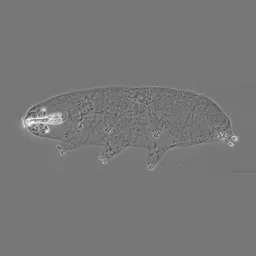
Where it has been recorded
Papers
1 works in our corpus of 5,137 tardigrade papers name it in the title or abstract (1 in the title), from 2022. This is by exact name match, so it misses papers that use an older name or only the genus.
- Sisubiotus hakaiensis sp. nov. (Tardigrada, Macrobiotidae), a new tardigrade species from Calvert Island (British Columbia, Canada) (2022, European Journal of Taxonomy) doi
Classification
| class | Eutardigrada |
|---|---|
| order | Parachela |
| superfamily | Macrobiotoidea |
| family | Macrobiotidae |
| genus | Sisubiotus |
Other species of Sisubiotus: S. grandis, S. spectabilis, S. splendidus, S. wuyishanensis.
Look it up
GBIF · NCBI Taxonomy · GenBank sequences · iNaturalist · Google Scholar
Classification, authority and notes: Degma & Guidetti 2026, Actual checklist of Tardigrada species, 45th edition (CC BY 4.0), which asks users also to cite Guidetti & Bertolani 2005 (Zootaxa 845: 1–46) and Degma & Guidetti 2007 (Zootaxa 1579: 41–53).
Records: GBIF.org, accessed 2026-09-20 through the GBIF API; each record belongs to the dataset that published it. The map shows only records released under CC0 or CC BY, with coordinates and no geospatial issue flag.
Papers: our corpus of tardigrade literature from OpenAlex.
How this is built
- Data
- Classification, authority and notes from Degma & Guidetti's 2026 world checklist. Records from GBIF, genomes and sequencing runs from NCBI, papers from our OpenAlex corpus of tardigrade literature, photos from Wikimedia Commons and iNaturalist (CC0 or CC BY), and facts from our knowledge graph, each with its source and page. A page shows only the parts we hold for that species.
- Built with
build_species.pywrites every species page from the checklist, joining each name by exact match to the other collections. Facts are ranked by confidence and evidence, and taken from each source in turn so no single paper fills the list. The records map is drawn as SVG from thinned GBIF coordinates.- Checked
- Only exact matches to accepted names bring in GBIF records, and fossil entries were read against their papers. The pages themselves are not tested against data.
- Limits
- Exact name matching misses papers and sequences filed under older names or only the genus. GBIF identifications are as their publishers made them. A short page means we hold little yet, not that little is known.
- More
- How the whole project is built